Choosing the right stormwater flow control device can make water management safer, simpler, and far more consistent. The best options help you automate flow, reduce manual oversight, and keep systems operating within the limits you need.
Below, we’ve organized 10 strong picks for different use cases, from timers and level controllers to remote monitoring and valve-based control.
Best 10 Stormwater Flow Control Device Picks for 2026
Liquid Batch Flow Control
Automatic Water Meter Valve (DN10)

- Battery-powered automatic control
- DN10 compact sizing
- UL specification met
Best For: Battery-powered liquid batch filling setups
Rainwater Diversion Upgrade

- Adjustable diversion time intervals
- Tool-free upgrade for compatible diverters
- Smooth-draining funnel design
Best For: Compatible first flush diverter upgrades
Flow-Sensing Switch
G1/2 Hall Effect Water Control Meter

- Hall effect flow sensing
- 1-30 L/min operating range
- Brass body with G1/2 BSPT thread
Best For: Compact water-triggered switching tasks
Remote Pump Control

- Cellular web portal monitoring
- Supports sensors and relays
- Water-tight enclosure
Best For: Remote monitoring and pump control systems
Compact Automatic Control
12V Water Level Controller Module

- Automatically starts low-water pumping and stops when full
- Supports pumping, filling, and draining control
- Compact 12V module with strong anti-interference
Best For: Basic automated level control in small water systems
Manual Valve Switching
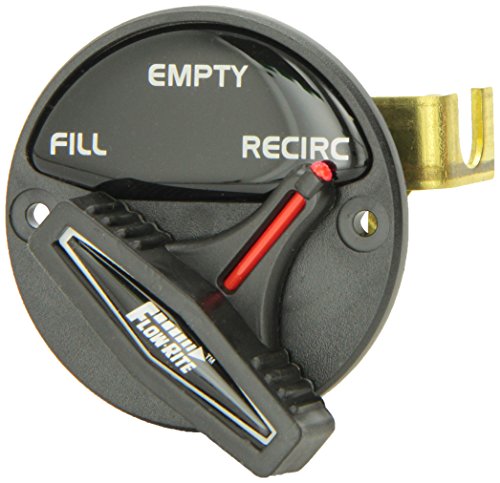
- Fill, empty, and recirculate switch
- Works with V4 series valves
- Manual livewell control via switch
Best For: Compatible valve systems needing simple manual flow selection
Multi-Mode Pump Automation

- Four modes for supply, drain, stop, and joint use
- Supports 110V-120V pumps and valves
- Stainless steel detector with 6.5 ft wire
Best For: Automated fill and drain control for larger water setups
Metered Fill Shutoff System

- LCD shows flow rate, total volume, and temperature.
- Automatically closes the valve at your preset amount.
- Includes sensor, solenoid valve, and 12V adapter.
Best For: precise volume-based fill shutoff and monitoring
Remote Tank Level Automation
Wireless Water Level Controller

- Automatic fill and drain modes support tank management.
- Remote level display works up to 3 miles in open areas.
- Water shortage protection and solar charging add convenience.
Best For: remote monitoring and automatic control of tanks or pools
Liquid Batch Flow Control – Automatic Water Meter Valve (DN10)
Liquid Batch Filling Equipment Flow Controller Water Meter Valve Automatic Control(DN10)
Check Price On AmazonIf you need a stormwater flow control device style component for metering and regulating liquid transfer, this automatic water meter valve is built for simple batch control. It is battery powered, uses a DN10 configuration, and is designed for liquid batch filling equipment rather than open-channel drainage.
Best For: Battery-powered liquid batch filling setups that need automatic flow control.
Pros:
- Battery powered for flexible placement without a wired supply
- Automatic control for liquid batch filling and flow metering
- DN10 size may suit compact plumbing setups
- UL specification met for added product confidence
Cons:
- Designed for liquid batch filling equipment, not specifically stormwater systems
- DN10 sizing may be too small for larger flow applications
- Limited product details available on durability and service conditions
As a control component, this valve is best viewed as a compact automatic flow regulator for controlled liquid transfer. Buyers should confirm the DN10 fit and application match before choosing it for any stormwater-related project.
Rainwater Diversion Upgrade – Electronic Release Valve
For buyers comparing a stormwater flow control device for rain capture systems, this electronic release valve is a targeted upgrade for Rain Harvesting First Flush Diverters. It lets you set diversion timing, helping you customize when the diverter drains and how often it releases water.
Best For: Upgrading a compatible first flush diverter with adjustable electronic release timing.
Pros:
- Precisely adjustable time intervals for customized diversion
- Designed to upgrade Rain Harvesting First Flush Diverters
- Tool-free installation by swapping the end cap
- Funnel design helps water drain smoothly and reduce clogging risk
Cons:
- Only designed to suit Rain Harvesting First Flush Diverters
- Requires batteries to operate
- Works as an upgrade component, not a standalone diverter system
This is a practical choice if you want more control over first-flush diversion timing without replacing your whole setup. Its main advantage is adjustability, but compatibility with your existing diverter is essential.
Flow-Sensing Switch – G1/2 Hall Effect Water Control Meter
If you’re shopping for a stormwater flow control device style sensor for water-triggered switching, this hall effect flow switch is built to detect liquid movement and control connected equipment. It supports a 1-30 L/min flow range and uses a G1/2 inch BSPT male thread with brass construction.
Best For: Water flow detection and switching in compact appliance or control applications.
Pros:
- Hall effect sensing for flow-based switching
- 1-30 L/min flow range
- Brass body with more than 57% copper for wear resistance and anti-oxidation
- Can switch electric appliances such as water heaters, humidifiers, and drinking fountains
Cons:
- Not designed as a full stormwater control system
- Maximum load current is limited to 2A
- Pressure and thread specs mean fitment needs to be checked carefully
This unit is useful where a flow signal is needed to trigger equipment rather than manage large-scale water routing. Its modest flow range and appliance-oriented use make it best suited to smaller control tasks.
Remote Pump Control – Cellular SCADA Monitor System
For a stormwater flow control device setup that needs monitoring and remote operation, this cellular SCADA controller is aimed at industrial control environments. It transmits and stores monitoring data on a web portal, shows on-site status on an LCD, and supports connected sensors and relays for pump control.
Best For: Remote monitoring and control of pumps and sensors in managed water systems.
Pros:
- Cellular data transmission with web portal access
- LCD screen for on-site status viewing
- Supports up to 4 sensors and up to 4 relays
- Water-tight enclosure for demanding environments
Cons:
- Requires Verizon cellular signal and a continuous 120 V power source
- Annual service fee applies after the first included year
- More of a controller platform than a dedicated flow-control valve
This is the most system-level option in the group, especially if you need visibility and remote command capability. It fits projects where the control logic matters as much as the hardware connected to it.
Compact Automatic Control – 12V Water Level Controller Module
If you’re comparing a stormwater flow control device for automated pumping or drainage, this 12V water level controller module is built for simple level-based switching. It uses a compact relay module with strong anti-interference and is aimed at automatically starting when water is low and stopping when full.
Best For: Small systems that need automatic water pumping, filling, or draining with straightforward level detection.
Pros:
- Automatically starts the pump when the pool is low and stops when full
- Supports automatic water pumping, filling, and draining
- Compact 60 x 50 x 22 mm size with low power consumption
- Designed for precise liquid level detection and easy wiring
Cons:
- 12VDC operation may not fit higher-voltage systems
- Best suited to level-control tasks rather than complex flow programming
- Specs focus on controller function, not weatherproof enclosure details
Overall, this is a practical pick if you need a small controller to automate water level response without extra setup complexity. It fits basic stormwater-style control tasks where simple start/stop logic is the priority.
Manual Valve Switching – Flow-Rite RK4-BW Actuator
For buyers comparing a stormwater flow control device-style switch, this Flow-Rite actuator is a simple fill, empty, and recirculate control for V4 series valves. It is designed for turning livewell flow functions on and off with a switch, making it a straightforward manual control accessory.
Best For: Users who need a switchable actuator for compatible V4 series valves.
Pros:
- Fill, empty, and recirculate switch positions
- Designed for use with V4 series valves
- Lets you control the livewell with a switch
- Black actuator with white lettering for easy identification
Cons:
- Requires V4 series valve compatibility
- MD-093 screws are required but not included
- Not an automatic controller or sensor-based device
In practice, this is a focused actuator rather than a full control system, so it makes sense when you already have the right valve hardware. It is best for users who want manual flow selection with a simple switch interface.
Multi-Mode Pump Automation – NC01 Water Level Controller
If you need a stormwater flow control device for automated water transfer, this liquid level controller offers four operating modes and support for 110V-120V equipment. It is designed to work with solenoid valves, electric ball valves, and water pumps, using a stainless steel detector with a 6.5 ft wire.
Best For: Automatic water supply and drainage control in tanks, ponds, reservoirs, and swimming pools.
Pros:
- Four modes: water supply, drain, lack-water stop, and joint mode
- Supports 110V-120V solenoid valves, ball valves, and pumps
- Stainless steel detector with 6.5 ft wire for longer reach
- 10A load current rating for controller use
Cons:
- Requires electrical knowledge for installation
- Plastic controller body may not suit all harsh-duty environments
- Best fit is water-level automation, not broader flow management
This model is the most flexible option here if you want multiple modes and mains-voltage compatibility. It is a sensible choice for automated fill and drain tasks where adjustable control matters.
Smart Outdoor Watering Control – meross WiFi Water Timer
If you want a stormwater flow control device-style solution for outdoor watering, this meross WiFi water timer is built to help prevent waste and accidental overwatering. Its weather-based skip feature can automatically pause watering before, during, and after rain, while the brass inlet and outlet are designed for durable outdoor use. It is best suited to garden hoses, lawn irrigation, and other faucet-based watering setups where convenience and control matter.
Best For: Homeowners who want smart, weather-aware hose watering control with app and voice support.
Pros:
- Weather-based automatic skip can pause watering in rain, freezing, or windy conditions.
- Brass inlet and outlet offer corrosion resistance and outdoor durability.
- Custom schedules let you set start times, durations, and watering days.
- Works with Alexa, Google Assistant, and Apple HomeKit for remote control.
Cons:
- Only compatible with 2.4GHz networks.
- Requires careful setup for the tightly secured waterproof power compartment.
- Hub compatibility depends on having the right meross hub firmware version.
This is a strong fit if you want automated hose watering with built-in weather awareness rather than a basic mechanical timer. The combination of scheduling, app tracking, and manual shutoff makes it practical for reducing waste while keeping outdoor watering simple.
Metered Fill Shutoff System – DIGITEN Flow Controller
This DIGITEN unit is a practical stormwater flow control device choice when you need to measure liquid flow and shut off automatically at a set amount. It combines an LCD controller, hall sensor flow meter, and normally closed solenoid valve to monitor real-time flow, total volume, and temperature. It is designed for applications where precise filling or dosing matters more than simple on/off control.
Best For: Users who need accurate metered fill control for water or similar liquids.
Pros:
- LCD display shows real-time flow rate, total volume, and sensed temperature.
- Automatic shutoff triggers when the preset volume is reached.
- Works with different hall-effect flow sensors using adjustable K value.
- Includes G1/2 flow sensor, solenoid valve, temperature sensor, and 12V adapter.
Cons:
- Best suited to controlled setups rather than simple outdoor hose watering.
- Thread type is BSP, though it can work with NPT.
- For liquids other than water, a suitable oil flow meter is required.
This is a more technical option than a standard timer, but it offers the kind of volume-based control that can be useful when consistency is critical. If your project depends on stopping flow at an exact amount, the automatic cutoff and alarm function are the main strengths.
Remote Tank Level Automation – Wireless Water Level Controller
For a stormwater flow control device workflow centered on tanks, pools, or water towers, this wireless water level controller focuses on automatic fill, drain, and level monitoring. The sensor is placed on the outdoor container while the controller stays indoors, and the system can remotely display water level status and manage pump operation. It is especially useful when you want to reduce overflow risk and avoid running a pump longer than necessary.
Best For: Remote water tank, pool, and tower level control where wireless monitoring is useful.
Pros:
- Supports automatic water addition and automatic drainage.
- Remote wireless range is listed up to 3 miles in open areas.
- Water shortage protection helps if the water level does not change for 10 minutes.
- Includes water level display and automatic solar charging.
Cons:
- Designed around AC220V-style power and higher-load pump control.
- Performance range depends on obstacles and installation conditions.
- Best suited to tanks and pools rather than simple faucet timers.
This controller stands out for remote tank management instead of basic timer-based watering. If your priority is keeping a storage container at the right level and protecting the pump from overwork, its automatic fill and drain features are the core benefits.
How We Picked These Stormwater Flow Control Devices
We focused on products that solve real control problems: regulating water flow, preventing overflow, automating fill and drain cycles, and improving visibility into system performance. Priority went to devices with practical sensing or actuation, clear control logic, and broad compatibility with common tanks, pumps, valves, and irrigation setups.
We also considered installation complexity, power requirements, remote access features, and whether each option is better suited to indoor liquid management, outdoor irrigation, or larger monitored systems.
Quick Comparison
Some options are best for simple on/off automation, while others are built for flow measurement, timed release, or wireless monitoring. In general, choose a controller if you need automation, a sensor if you need feedback, and a valve or timer if you need direct flow restriction or scheduling.
Key Buying Factors for a Stormwater Flow Control Device
Control Method
Decide whether you need level-based control, flow-based control, time-based control, or remote monitoring. A Stormwater Flow Control Device that matches your actual workflow will be easier to trust and maintain.
Flow Range and System Size
Check the rated flow, pipe size, voltage, and switching capacity. A small valve controller may work well for compact systems, while larger tanks, pumps, or distribution lines may need higher-capacity relays or dedicated monitoring hardware.
Automation and Alerts
Look for automatic fill, drain, or shutoff behavior if overflow prevention matters. If you manage multiple sites or want fewer site visits, wireless or cellular access can add meaningful value.
Environment and Installation
Outdoor irrigation, tanks, and stormwater-related setups may need weather-resistant materials, brass fittings, or simple maintenance access. Make sure the device is compatible with your plumbing, power source, and mounting constraints.
Who Should Buy Which Stormwater Flow Control Device?
If you want straightforward automation, choose a level controller or pump relay. If your priority is measuring and limiting flow, a meter-plus-valve system is a strong fit. If you need visibility across distant systems, a cellular or wireless monitor is the better choice. For irrigation-focused buyers, smart hose timers can deliver simple scheduling, while first-flush and release valves are useful when early runoff management is the main goal.
The best Stormwater Flow Control Device is the one that fits your site, your plumbing, and how much monitoring you want to do day to day.